Anyone can promise ten thousand channels. Answering how to choose IPTV provider comes down to asking the same twelve questions of every candidate and writing the answers down, because the differences that matter sit in the details rather than the sales page.
Why a checklist beats a demo
A demo is a performance: the provider’s server, a quiet hour, a connection they control. A checklist asks about the things that decide month four, such as renewal terms, support hours and what happens when a channel disappears mid-season. Memory flatters the last provider you spoke to, so score in writing.
The twelve points: how to choose IPTV provider
- Company identity: a trading name, an address and an invoice, not a chat handle.
- Licensing: a statement about the rights behind the channels, with no claim to carry every league everywhere.
- Trial terms: how long, how many streams, and whether it uses the same servers as the paid service.
- Channel fit: the twenty channels you actually watch, checked one by one.
- EPG quality: a seven-day guide with correct times, not a blank grid.
- Catch-up window: how many days back, and whether it covers your channels.
- Simultaneous streams: the real number, and what happens on the fourth device.
- Device support: apps that work on your hardware without side-loading gymnastics.
- Bitrate policy: which channels run at 4K, and whether the plan caps peak bitrate.
- Support: a channel that answers within an hour at 9pm, tested before you pay.
- Billing: the renewal date, the currency, and whether the price is fixed for the term.
- Exit terms: refunds and notice periods in writing.
How to score the answers
Company identity, support and exit terms are pass or fail: a provider that will not name itself or state a refund policy is not worth a trial. Channel fit and EPG matter most day to day. Require eight out of twelve before you pay for a month, then test the winner properly with a 24-hour trial plan, checking a live match and timing five channel changes.
Red flags that end the conversation
- Prices far below the cost of the content, with pressure to pay a year upfront.
- Payment by crypto or gift card only, with no invoice.
- Support that answers at 3am but not at 8pm.
- Lists that include every premium sports feed in a dozen countries.
- No company details, and a domain registered last month.
A provider that survives these questions behaves like a business. What good IPTV support looks like is easy to recognise once you have seen it, and a plausible licensing line plus a written refund policy suggests a legitimate service rather than a pirated one.
FAQ
How many channels should a provider offer?
Channel count is a poor measure. A few hundred channels you watch beat twenty thousand entries full of duplicates.
Is a longer trial a better trial?
Not necessarily. What matters is whether the trial uses the same servers, streams and support queue as the paid plan.
Should I pay yearly to save money?
Only after a paid month has worked at peak time. A year upfront turns a small test into a large risk.
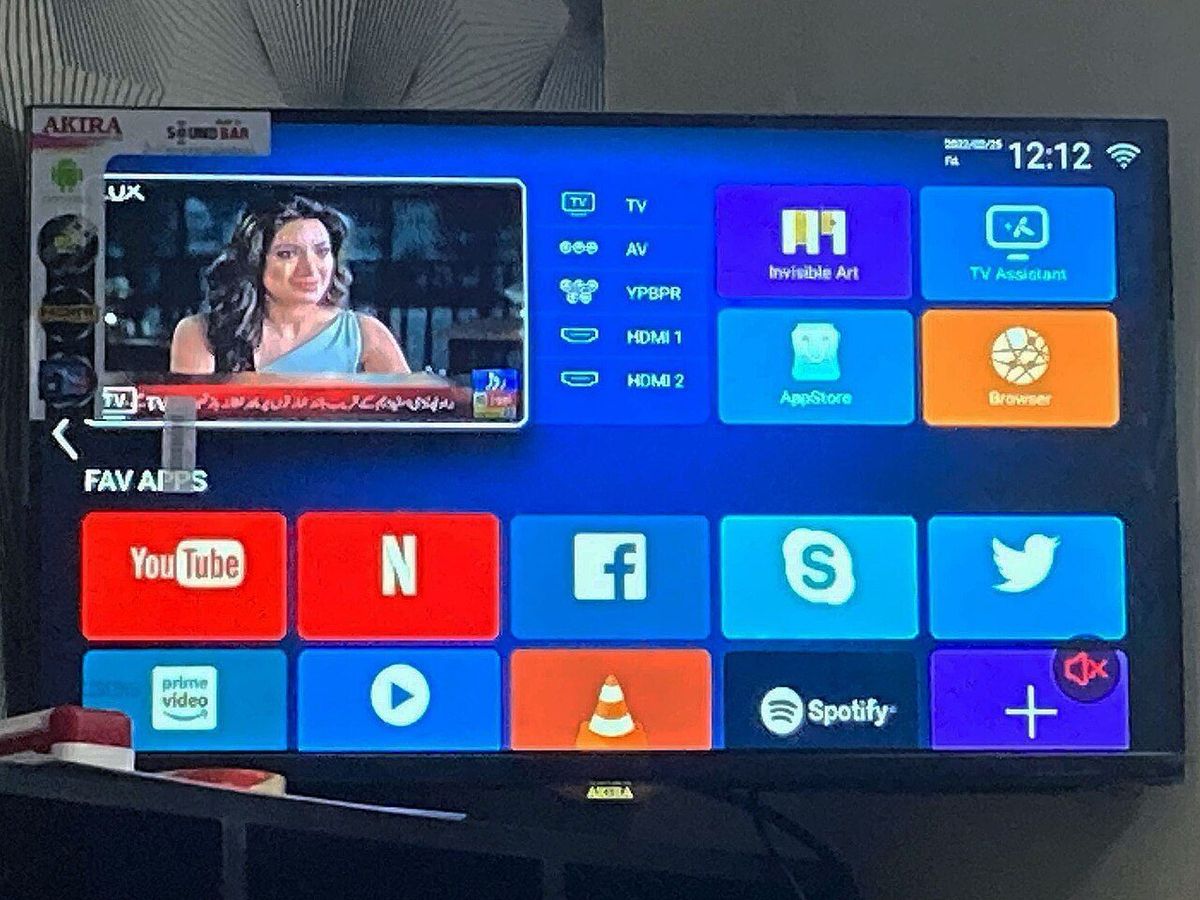
Image: Living room television with a remote resting on the sofa. Photo by EverrrHong, CC BY 4.0, Wikimedia Commons.
